Where to Stay in Barcelona: A Neighbourhood Guide
Barcelona packs beach, Gothic alleys, Gaudí landmarks, and a busy convention district into a city that's easy to cross on foot or by metro. Picking the right base matters more here than in many cities, because the Eixample, Gothic Quarter, and waterfront each offer a distinct version of the trip. This guide breaks down the main areas, how to get in from the airport, and how many days to budget.
Eixample: central, walkable, built for comfort
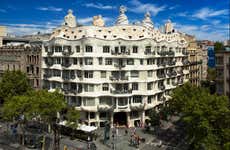
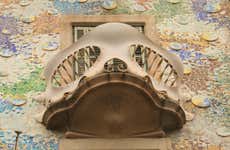
The Eixample is Barcelona's grid-planned 19th-century district, home to Casa Batlló, La Pedrera, and most of the city's modernist architecture. It's the default choice for first-time visitors because it sits between the old city and the newer business areas, with easy metro access in every direction.
Hotels here range from boutique to five-star, including BLESS Barcelona on Plaza Cataluña, Alma Barcelona GL and Best Western Premier Hotel Dante on Mallorca, and the Alexandra Barcelona Hotel on the same street. If you plan to visit Casa Milà, booking Casa Milà Barcelona Tickets in advance saves time, since the building sits right in this district.
Expect wide, tree-lined avenues, good restaurants, and a quieter nighttime feel than the old town, at the cost of being a short metro or taxi ride from the beach.
Gothic Quarter and El Raval: history and nightlife
The Gothic Quarter (Barri Gòtic) is the medieval core, dense with narrow lanes, the cathedral, and La Rambla at its edge. Staying here puts you within walking distance of most sightseeing but means more street noise, especially near La Rambla itself. Arc la Rambla sits directly on this famous avenue if you want to be in the center of it.
El Raval, just west of La Rambla, has a grittier, more mixed character with a growing number of design-forward hotels such as Barceló Raval and the budget-friendly Abba Rambla Barcelona. It's close to MACBA and some of the city's better tapas bars, and it's an easy walk to the harbor.
Both areas work well for short stays focused on walking tours, since nearly everything is reachable on foot, including evening options like a Flamenco Show at Tablao El Paraigua.
Sants and around the station: practical for transit
Sants is Barcelona's main train station, with high-speed connections to Madrid, France, and the rest of Catalonia. The surrounding neighbourhood is residential and less scenic but convenient if you're arriving or leaving by train, or if you want quieter streets with easy metro access to the center.
Options here include Barceló Sants and AC Hotel Sants by Marriott right by the station, plus Abba Sants Hotel and Aparthotel Atenea Barcelona nearby. This area suits travellers prioritizing transit links over being steps from the main sights.
Getting in from the airport
Barcelona–El Prat Airport connects to the city by the Aerobus, which runs to Plaça Catalunya in the Eixample/Gothic Quarter boundary, and by the R2 Nord train line, which stops at Sants and Passeig de Gràcia. A taxi takes roughly 20 to 40 minutes depending on traffic and your destination neighbourhood.
If your hotel is near Sants station, the train is often the simplest option since it drops you within walking distance. For hotels in the Eixample or old town, the Aerobus or a taxi tends to be more direct.
How long to stay
Three full days covers the essentials: the Gothic Quarter and La Rambla, the main Gaudí sites, and a beach or waterfront afternoon. Add a fourth or fifth day if you want day trips, such as the Montserrat Wine Tour into the hills outside the city or the Girona, Figueres & Dali Museum Day Trip north toward the French border.
A broader Barcelona City Tour & Tickets option on day one is a useful way to orient yourself before deciding which neighbourhoods to explore on foot in the following days.
Frequently asked questions
Which neighbourhood is best for first-time visitors?
The Eixample is the most balanced choice: central, well-connected by metro, close to major Gaudí sites, and generally quieter at night than the old town.
Is it better to stay near La Rambla or a bit further away?
Staying directly on or near La Rambla puts you close to sights but means more noise and crowds. Many travellers prefer the Gothic Quarter's quieter side streets or the Eixample, both still within walking distance.
How do I get from the airport to the city center?
The Aerobus runs to Plaça Catalunya, and the R2 Nord train connects to Sants and Passeig de Gràcia stations. Both are straightforward alternatives to a taxi.
How many days should I plan for Barcelona?
Three days covers the main sights and neighbourhoods. Add one or two more days if you want to include day trips like Montserrat or Girona and Figueres.
Is Barcelona easy to get around without a car?
Yes. The metro network reaches all the main neighbourhoods covered here, and most sights within the city are walkable from a central base.