Where to Stay in Tulum, Mexico: Neighbourhood Guide
Tulum stretches along a narrow beach road backed by jungle, with a separate town center a few kilometers inland. Where you stay changes your trip more than in most destinations: beachfront hotels put you steps from the sand but far from restaurants and supermarkets, while the pueblo and newer residential zones offer easier access to daily life and lower transport costs. This guide breaks down the main areas so you can match a neighbourhood to how you plan to spend your days.
The Beach Road (Carretera Tulum-Boca Paila)
This is the strip most people picture when they think of Tulum: a single road running south from town along the coast, with hotels tucked between the road and the beach or across from it in the jungle. Properties here range from simple cabana-style stays to design-driven boutique hotels, and addresses are given as kilometer markers along the highway rather than street numbers.
Hotels like Ahau Tulum, Alaya Tulum, Azucar Hotel Tulum and Ana y Jose Tulum Hotel & Spa sit in this stretch, each at a different kilometer point, which affects how far you are from the archaeological zone and from the handful of restaurants along the road. Akkuun Tulum Adults Only and Amansala are further examples of the adults-focused and wellness-oriented properties common in this zone.
The trade-off is practical: there's no real public transport along the beach road, taxis add up over a multi-day stay, and many restaurants and bars here only accept cash or card with limited options. If you want beach access as your top priority and don't mind renting a bike or budgeting for rides into town, this is the area to pick.
Tulum Pueblo (Town Center)
Tulum's town sits a few kilometers inland, along and around Avenida Kukulkan. This is where most residents live and where you'll find supermarkets, pharmacies, local taco stands, and a wider range of price points than the beach road. Adora Tulum on Avenida Kukulkan and Axkan Arte Hotel Tulum are examples of hotels in this part of town.
Staying in the pueblo makes sense if you want to walk to dinner without a taxi, plan to rent a car or bike to reach the beach and cenotes on your own schedule, or are visiting on a tighter budget. It also puts you closer to the bus terminal if you're arriving or leaving by ADO bus from Cancún, Playa del Carmen or further afield.
The Tulum Taco Tour is based around this kind of local food scene, and staying in the pueblo means you can walk to and from it rather than arranging transport.
Aldea Zama and La Veleta
Between the pueblo and the beach road, two newer residential areas have grown quickly over the past several years: Aldea Zama and La Veleta. Both are planned developments with a mix of condos, boutique hotels and short-term rentals, generally quieter than the beach road and more walkable than they were a few years ago, though still spread out compared to the old town grid.
Arthouse Art Residences and Aloft Tulum sit in or near Aldea Zama, while Alicat Villas is in La Veleta. These areas suit travellers who want a middle ground: closer to restaurants and cafés that have opened to serve the growing expat and remote-work population, with a short drive or bike ride to both the beach and the ruins.
Because these neighbourhoods are newer, addresses can be less standardized and some streets are still unpaved or under construction in parts, so it's worth checking a map of the exact property location before booking if walkability matters to you.
Getting to Tulum
Most visitors fly into Cancún International Airport and continue to Tulum by road, a drive that typically takes a couple of hours depending on traffic and your exact drop-off point. Private transfers, shared vans and ADO buses all run this route; renting a car at the airport is also common if you plan to explore cenotes and nearby towns independently.
Tulum does not have a major commercial airport of its own, so factor the overland transfer into your arrival day, especially if you've booked a hotel on the far end of the beach road rather than in town.
When to Go and How Long to Stay
The dry season, roughly November through April, brings the most consistent weather and is the busiest and most expensive stretch of the year. Hurricane season runs through the fall, and while direct hits are infrequent, rain and humidity pick up. Spring brings sargassum seaweed to parts of the Riviera Maya coast in some years, which can affect beach conditions; this varies year to year and by exact stretch of coastline.
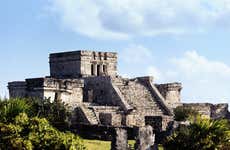
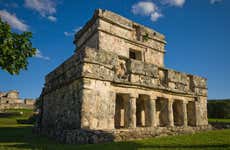
Three to four nights is enough to see the main sights without feeling rushed: the Tulum Archeological Site Guided Tour covers the clifftop ruins, a day trip combining Tulum & Xel-Há lets you pair the ruins with a nearby eco-park, and a Tulum Sailing Tour or the Bird Spotting in Sian Ka'an Biosphere Reserve tour work well as a half-day change of pace. Travellers mixing in cenote visits or a day trip to Cobá or Playa del Carmen often extend to five or six nights.
If your schedule allows an evening out, the Night Tour of Xoxi is worth building into your plan regardless of which neighbourhood you're based in, since it starts after dark when daytime heat has eased.
Frequently asked questions
Should I stay on the beach road or in Tulum Pueblo?
Choose the beach road for direct sand access and a resort-style atmosphere, accepting higher transport costs and fewer dining options nearby. Choose the pueblo for walkable restaurants, shops and lower overall costs, with a short ride needed to reach the beach.
How do I get from Cancún Airport to Tulum?
Most travellers use a private transfer, shared shuttle van, ADO bus or rental car for the overland trip, which takes a couple of hours depending on traffic and your drop-off point. There is no direct airport in Tulum itself.
Is Aldea Zama or La Veleta a good base?
Both work well if you want a quieter, more residential feel with newer restaurants and cafés, positioned between the beach and the pueblo. Expect to rely on a bike, rental car or taxi to reach the coast.
How many days should I plan for Tulum?
Three to four nights covers the ruins, a cenote or two, and some beach time. Add extra nights if you want to include day trips like Tulum & Xel-Há or explore Sian Ka'an Biosphere Reserve in more depth.
Do I need a car in Tulum?
Not strictly, but it helps. Taxis along the beach road and to outlying cenotes add up quickly, and a rental car or bike gives more flexibility, especially if you're staying in the pueblo, Aldea Zama or La Veleta rather than directly on the sand.